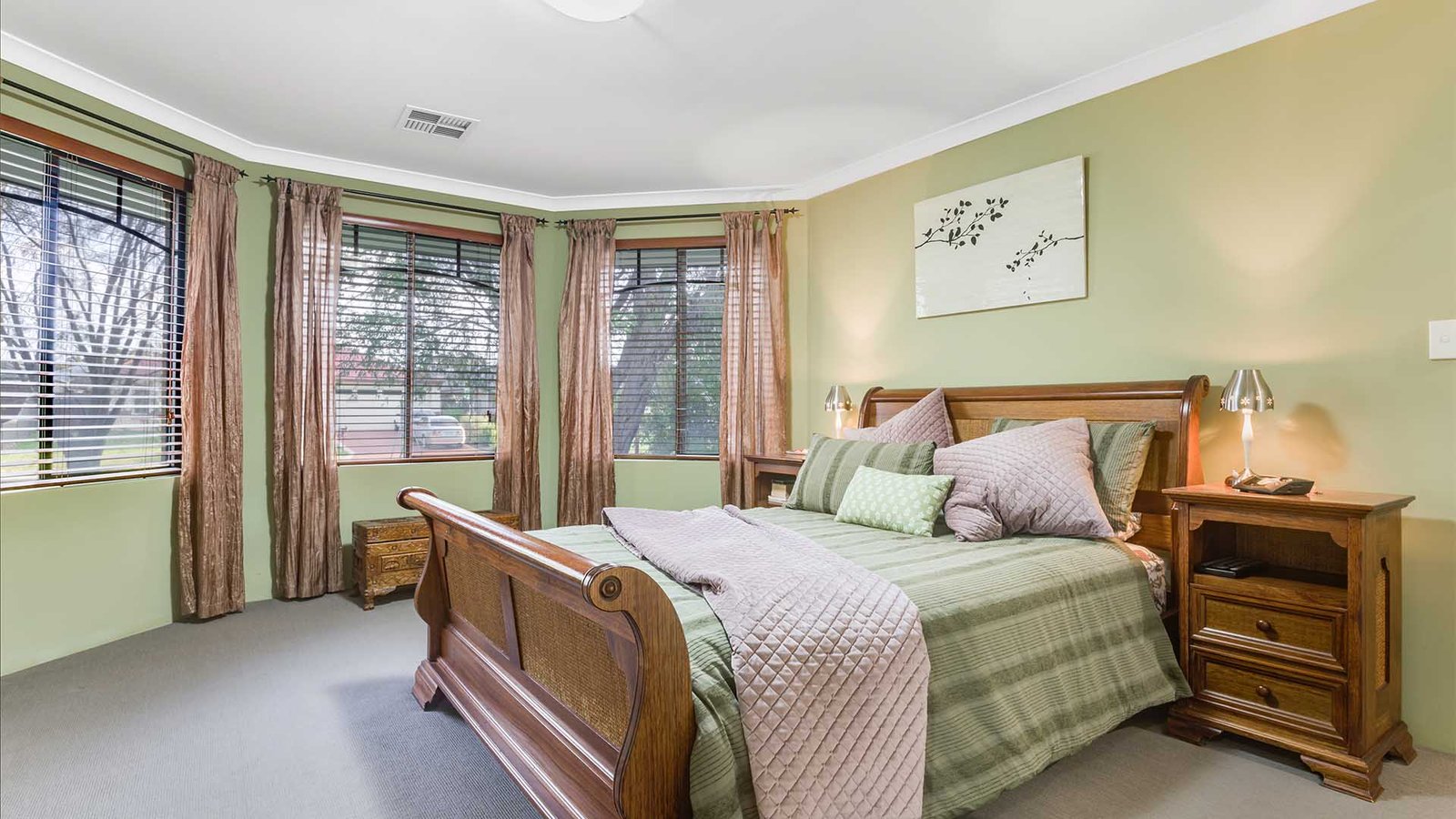
1. Why Standard Single-Exposure Photography Fails in Real Estate
When photographing real estate interiors, digital camera sensors encounter an extreme dynamic range dilemma. A sunlit outdoor garden viewed through a living room window can exceed 15 to 18 stops of light, whereas a dimly lit hallway corner inside the same room might sit at only 4 to 6 stops of luminance. If you expose the camera for the interior living room, the exterior windows blow out into a blinding, featureless white sheet of light. Conversely, if you expose for the outdoor scenery, the interior space becomes an unusable, muddy, underexposed silhouette.
This fundamental optical challenge is why professional real estate photographers rely on High Dynamic Range (HDR) exposure blending and Flambient (Flash + Ambient) layer processing. By capturing bracketed sequence shots and combining the highlights of one exposure with the shadow details of another, you capture a photograph that matches the human eye's natural perceptive range.
Key Exposure Rules for Master Real Estate Photographers:
- � Camera Support: Always use a heavy-duty tripod with a geared head to ensure 100% pixel-level alignment across all bracketed frames.
- � Optimal Aperture: Lock your lens aperture between f/8.0 and f/11 for edge-to-edge sharpness with zero optical diffraction.
- � Native ISO: Keep your camera locked at base ISO (typically ISO 100 or ISO 64 on Nikon) to eliminate shadow luminance grain.
- � Shutter Speed Variation: Only change shutter speed when bracketing—never touch aperture or ISO between bracket frames.
2. Hand-Blended Exposure Layering vs. Automated Software Ensembles
Many novice photographers make the mistake of feeding RAW files into automated one-click HDR software packages. The result is often disastrous for commercial listings: unnatural chromatic aberration, glowing radioactive green lawns outside windows, muddy gray wall shadows, and obvious halo artifacts along window mullions and baseboards.
At Estate HDR, our retouchers employ a proprietary luminosity-mask hand blending workflow in Adobe Photoshop. We manually separate the ambient illumination of the room from the exterior highlight data. This ensures that wood grain textures, polished stone countertops, and ceiling plaster retain their tactile physical realism without looking like a computer-generated video game rendering.
3. The Anatomy of a Flawless Window Pull
The hallmark of an elite architectural photograph is the crystal-clear window pull. To execute a proper window pull:
- The Ambient Frame: Captures the warm mood, recessed pot lights, and chandelier glow of the interior room.
- The Flash Frame: An off-camera strobe is bounced off the ceiling directly above the camera. This overwhelms yellowish tungsten and green fluorescent color contamination, restoring pure neutral whites to walls and trim.
- The Window Exposure Frame: The camera shutter is dialed up to 1/250s or 1/500s to expose exclusively for the outdoor patio, trees, and sky.
- Luminosity Blending & Masking: In post-production, our retouchers hand-paint the crisp outdoor view into the window frames using customized pen-tool paths, ensuring zero light fringe on curtains or blinds.
4. Correcting Mixed Color Temperatures (The Secret to Pristine Whites)
One of the biggest obstacles in residential interiors is mixed lighting. A single luxury master bedroom might contain 2700K warm incandescent bedside lamps, 4000K neutral ceiling downlights, and 6500K cool daylight spilling in through the glass terrace doors. When blended incorrectly, walls develop jarring orange, blue, and cyan splotches.
Our team utilizes specialized HSL channel separation and selective color calibration to normalize all white surfaces to an accurate 5500K neutral daylight baseline, while preserving the cozy, inviting golden glow of accent lamps and decorative fireplace fixtures.
5. Why Leading Brokerages Partner with Estate HDR
Instead of spending 4 to 6 exhausting hours editing photos every night after a long day of shooting on location, top-producing photographers upload their RAW bracket batches directly to the Estate HDR Client Portal. Our 24-hour turnaround and dedicated Quality Assurance team ensure your listings hit the MLS on time, every single morning.
Experience the Estate HDR Difference
Create your free account today and receive your first 3 property bracket edits with full window pulls at zero cost.
Claim Free Trial Order →